
For something so small, the four-leaf clover carries an outsized reputation. Found in fields, tucked into books, or pressed into keepsakes, these tiny green tokens have symbolized luck for centuries. The belief in their power has deep roots, shaped by folklore, mythology, and cultural tradition.
This editorial webpage explores the history of the four-leaf clover—where the legend began, how it evolved through time, and why this rare mutation continues to capture our imagination today.
To trace the origins of the four-leaf clover, we must first look to its more familiar relative: the three-leaf clover. Most clovers are part of the Trifolium repens species—commonly known as white clover. As the Latin name Trifolium implies, these plants typically have three leaflets.
Every so often, a natural genetic mutation produces a fourth leaflet, giving rise to the rare four-leaf clover. The chances of discovering one are remarkably slim—roughly 1 in 5,000, though some estimates suggest the odds can be even lower depending on environmental factors.
This scarcity is a key reason why four-leaf clovers have become cherished symbols of luck and fortune throughout history.

Long before it became a symbol of playground luck or St. Patrick’s Day cheer, the four-leaf clover held a sacred place in the beliefs of ancient cultures.
Among the Celts—who inhabited much of Europe over two millennia ago—the rare clover was thought to possess magical properties. Druid priests are said to have carried four-leaf clovers in sacred rituals, trusting in their power to ward off evil and protect against curses. More than a symbol of fortune, the clover was a tool of spiritual defense.
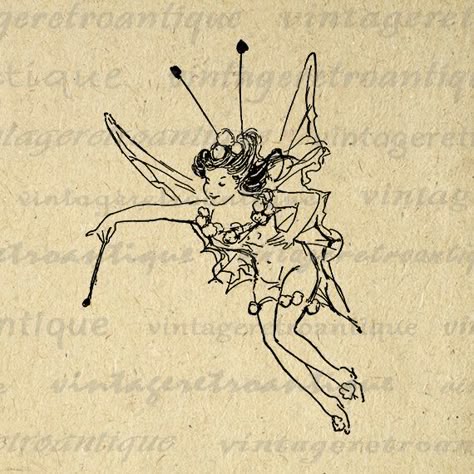
One enduring legend claims that those who found a four-leaf clover gained the ability to see fairies—mischievous, otherworldly beings who could either bless or bedevil the human world. In this ancient worldview, the elusive fourth leaf was not just lucky—it was a key to unseen realms.
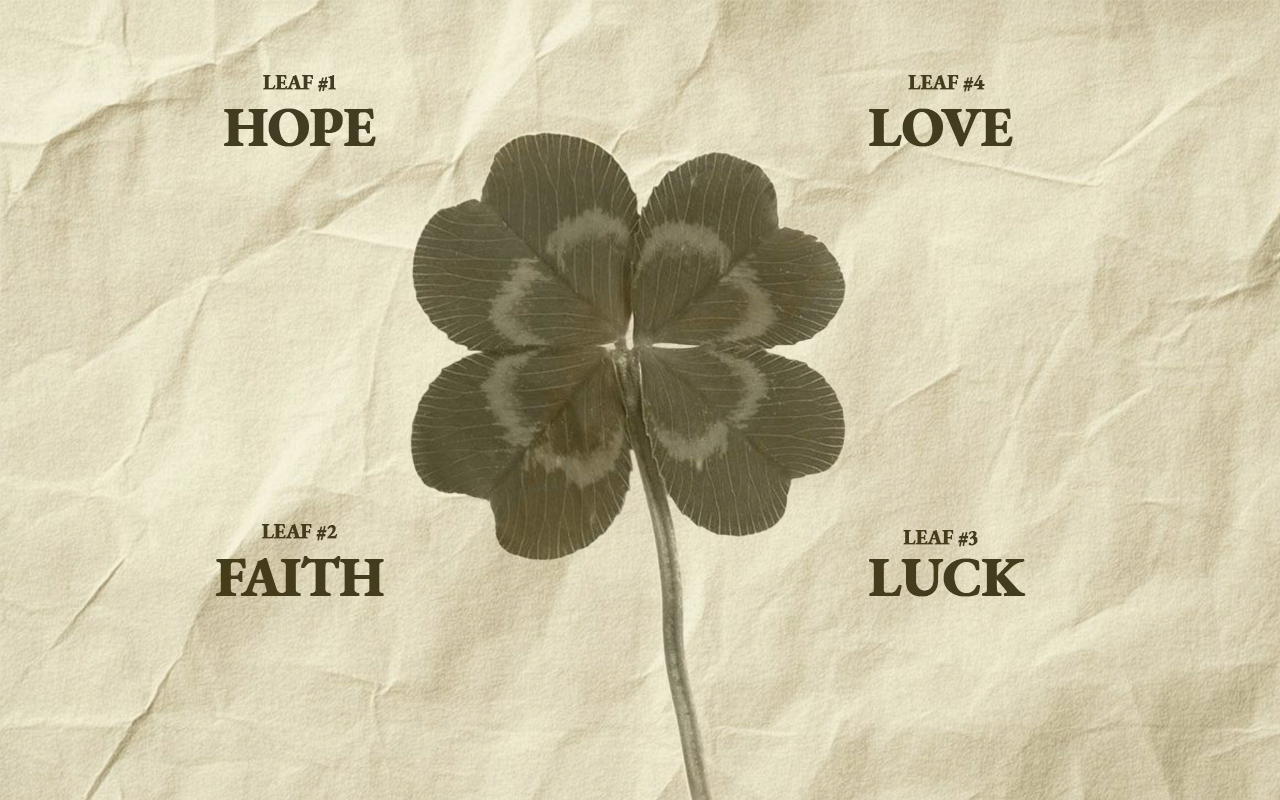

By the 17th and 18th centuries, the meaning of each leaf began to take shape. The most commonly accepted symbolism today is:
This four-part meaning may not have ancient roots, but it became popular during the Victorian era, when romanticism and symbolic “language of flowers” were all the rage. During this time, it became common for people to press four-leaf clovers into letters, lockets, and love notes.


As clovers made their way into folklore and storytelling, they eventually found a place in modern culture. By the early 20th century, four-leaf clovers were appearing on greeting cards, advertisements, and jewelry. The rise of printed media and consumer culture only amplified their symbolic value.
They became associated not just with luck, but with nostalgia—reminders of simpler times, childhood discoveries, or walks in the grass.
Today, the four-leaf clover is a popular icon around St. Patrick’s Day, although it’s technically not the same as the Irish shamrock (which is a three-leaf clover). Still, the two symbols are often used interchangeably, especially in popular media.


The four-leaf clover has come a long way—from Druid rituals and fairy lore to love notes and mass-produced charms. What began as a rare genetic quirk turned into one of the most recognizable symbols of luck in the world. Maybe it’s the rarity. Maybe it’s the centuries of storytelling. Or maybe it’s just human nature to find meaning in little things. Whatever the reason, the next time you stumble upon a four-leaf clover, take a moment. You’re not just holding a lucky leaf—you’re holding a piece of history.